
Across HOPE
Approaches Across Our Practice
Trauma-Focused CBT, Parent-Child Interaction Therapy and play therapy, the Gottman Method and Emotionally Focused Therapy, somatic therapy, psychodynamic therapy, parts work and CBT.
Explore counseling options. Request an Appointment.
HOPE Counseling Center
We help each client work toward their own definition of success. Rather than offering a one-size-fits-all approach, we support individuals in identifying their personal goals, building the tools and confidence to reach them, and creating meaningful, lasting change in the areas of life that matter most to them.

An Overview
HOPE therapists bring different ways of understanding emotions, relationships, trauma, development, and change. Across the practice, approaches include attachment-based, relational, psychodynamic, parts-informed, emotion-focused, somatic, cognitive behavioral, and trauma-informed work. Work with children and families may include play therapy and Parent-Child Interaction Therapy.
Several approaches have dedicated pages because clients often have questions about what they are and what a session may involve. Wendy and Sarah use EMDR. Wendy and Eva use Brainspotting. Trauma-Focused CBT, play therapy and Parent-Child Interaction Therapy are part of Wendy's work. These approaches are options within individualized counseling, not requirements or promises about results.
You do not need to select a method before reaching out. A therapist can learn about your concern, explain how they work, discuss readiness where relevant, and answer questions. Care remains collaborative and shaped around your goals. Sessions are available in person in Roseville and by secure video while you are located in California.
The pages below describe each featured approach in plain language, identify the HOPE therapists who use it, and explain what a session may include. They are a starting point for questions, not a way to decide what your care must look like before meeting a therapist.
Therapy Approach
EMDR is one approach Wendy and Sarah use to support clients working with painful past experiences.
Learn MoreTherapy Approach
Brainspotting is a brain-body approach Wendy and Eva use as part of individualized, trauma-informed care.
Learn More
Therapy Approach
A structured approach for children and teens after trauma that brings parents and caregivers into the work. At HOPE, Wendy Barillas uses it as one option within child and family counseling.
Learn More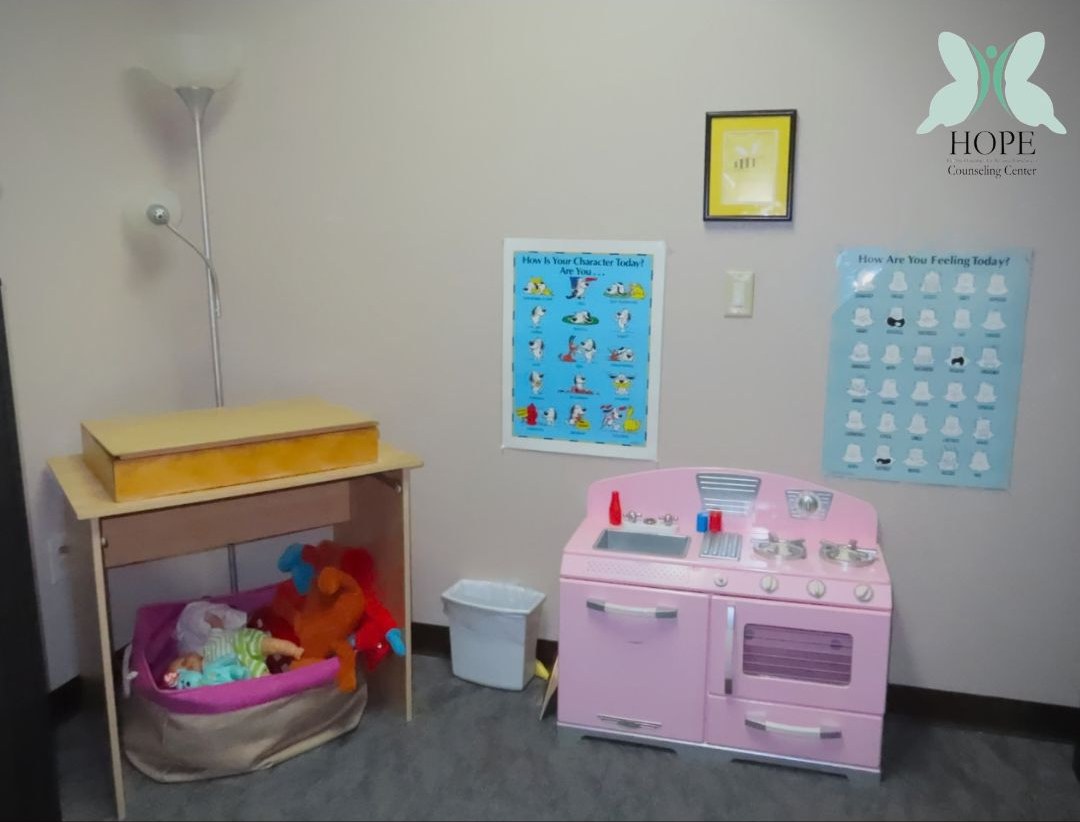
Therapy Approach
Play is a language children already speak. Play therapy gives a child room to show, through toys, games and stories, what can be hard to put into words.
Learn More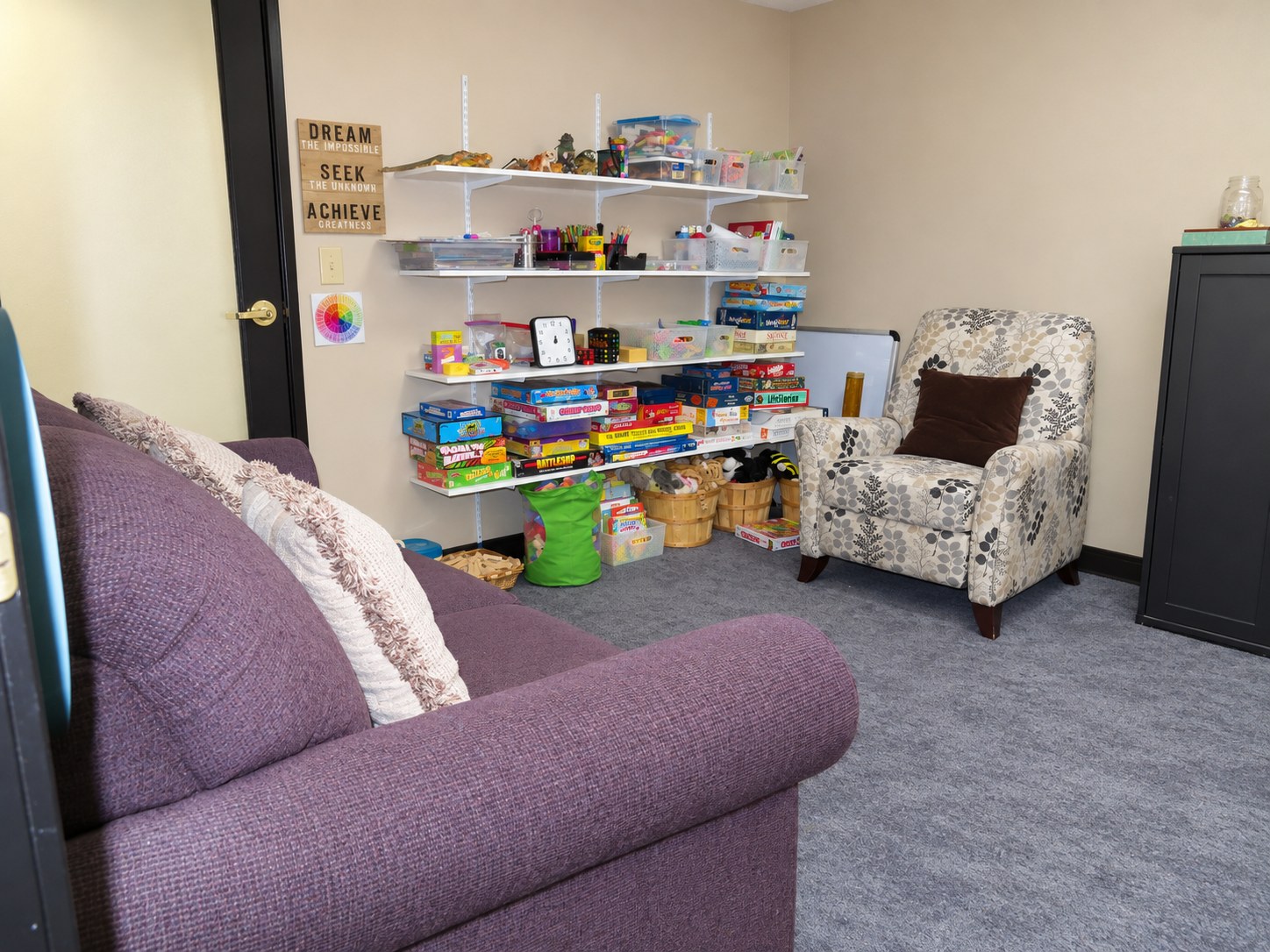
Therapy Approach
In Parent-Child Interaction Therapy, or PCIT, a therapist coaches a parent or caregiver while they play with their child, supporting a warmer bond and calmer moments together.
Learn More
Therapy Approach
Somatic therapy brings the body into counseling, paying gentle attention to how feelings and stress show up in breath, posture and sensation.
Learn MoreTherapy Approach
Parts work starts from a gentle idea: the different, sometimes conflicting sides of you each make sense. Eva and Sarah bring this curious, compassionate lens into counseling at HOPE.
Learn More
Therapy Approach
Emotionally Focused Therapy looks beneath recurring conflict to the feelings and attachment needs driving it, so partners can understand the cycle they get caught in together.
Learn More
Therapy Approach
Attachment-based therapy explores how early relationships shaped the way you connect, protect yourself and see yourself, and makes room for more secure connection now.
Learn MoreAcross HOPE
Trauma-Focused CBT, Parent-Child Interaction Therapy and play therapy, the Gottman Method and Emotionally Focused Therapy, somatic therapy, psychodynamic therapy, parts work and CBT.
Begin Here