Our Team
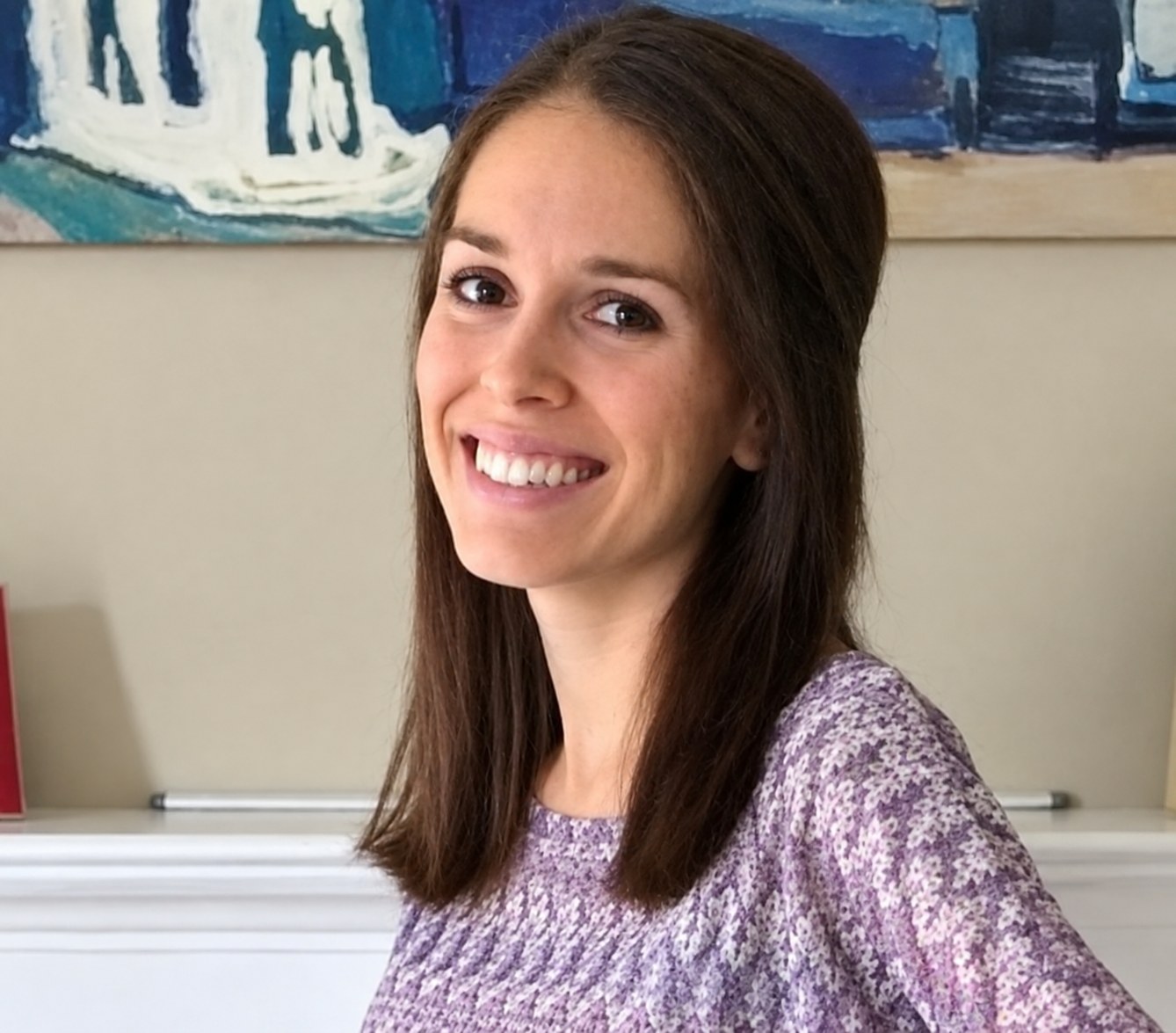
Sarah Hausmann
Registered Associate Professional Clinical Counselor #15480
View ProfileExplore counseling options. Request an Appointment.
A Parts-Informed Approach
Parts work starts from a gentle idea: the different, sometimes conflicting sides of you each make sense. Eva and Sarah bring this curious, compassionate lens into counseling at HOPE.

01
Most people know what it feels like to be of two minds. Part of you wants to reach out, and part of you wants to hide. Part of you is ready for change, while another part holds on tight. Parts work takes those inner conversations seriously. It sees the mind as naturally made up of different parts, each with its own feelings, beliefs and job to do.
Internal Family Systems, often called IFS, is a well-known model of parts work. It describes some parts as protectors, working hard to keep pain away through control, criticism, staying busy or shutting down. Other parts carry older hurts, fears or shame that the protectors try to keep out of sight. IFS also describes a steadier core, often called Self, that can meet each part with curiosity, calm and compassion.
A central belief in IFS is that there are no bad parts. Even a part that drives harsh self-criticism, anger or numbness may be trying, in its own way, to protect you. Getting to know what a part is guarding against can ease the inner struggle against it, and that shift can open room for new responses.
02
Parts work can be a good fit when you keep landing in the same place: a reaction that feels bigger than the moment, a habit you have tried hard to stop, an inner critic that never quiets, or a relationship pattern that repeats no matter who is involved. Rather than asking you to push harder against the pattern, parts work invites you to get to know the parts that keep it going.
In a session, that might begin with noticing a feeling, a body sensation or an inner voice and getting curious about it. What is this part worried would happen if it stopped? How long has it been doing this job? Your therapist helps you approach those questions gradually, without forcing anything open before you are ready.
Because protective parts often form in response to painful experiences, parts work can also play a role in healing from long-term or chronic trauma. The pace stays in your hands. You can spend as long as you need getting to know a protective part, and nothing has to be revisited before there is enough steadiness and trust to do it safely.
03
Eva Di Giorgio, Registered Associate Marriage and Family Therapist #144286, works under the supervision of a Licensed Marriage and Family Therapist. She uses methods from Internal Family Systems within an integrative approach that is also emotion-focused, attachment-based, mindfulness-based and trauma-informed. Eva works with children, teens, adults, couples and families, and she aims to offer a space where every aspect of a person can be explored with curiosity and compassion.
Sarah Hausmann, Registered Associate Professional Clinical Counselor #15480, is supervised by a Licensed Marriage and Family Therapist. Sarah works with individuals and draws from parts work alongside strong psychodynamic influences. A psychodynamic lens looks at how earlier experiences, and patterns that sit outside everyday awareness, shape the way you feel and relate today. She places a heavy emphasis on rapport, the trust and connection between client and therapist.
Both therapists approach parts work collaboratively. Sarah believes each client is the authority on their own life story, and Eva describes working well with people who value humor, authenticity, adaptability and honesty. Both also make room for people whose lives and relationships look different from the usual picture. Sarah describes herself as comfortable with non-traditional family systems, including people who identify as non-monogamous, and Eva aims for a setting that is culturally sensitive, sex-positive and LGBTQIA+ friendly.
04
No single approach defines counseling at HOPE. Our therapists work collaboratively, learn about the person and concern in front of them, and shape care around individual goals. An approach may be one part of the work, and you can ask questions or discuss another direction at any time.
The therapeutic relationship remains central. Your therapist will explain what they are inviting you to do, listen to your response, and respect your pace. You do not need to arrive knowing which method you want. Therapist profiles can help, or call or email us and we will help you find a good starting point.
HOPE offers counseling in person in Roseville and by secure video when the client is physically located in California. When you reach out, you can name an interest in a particular approach or simply describe what you would like support with.
Questions
Begin Here