Our Team
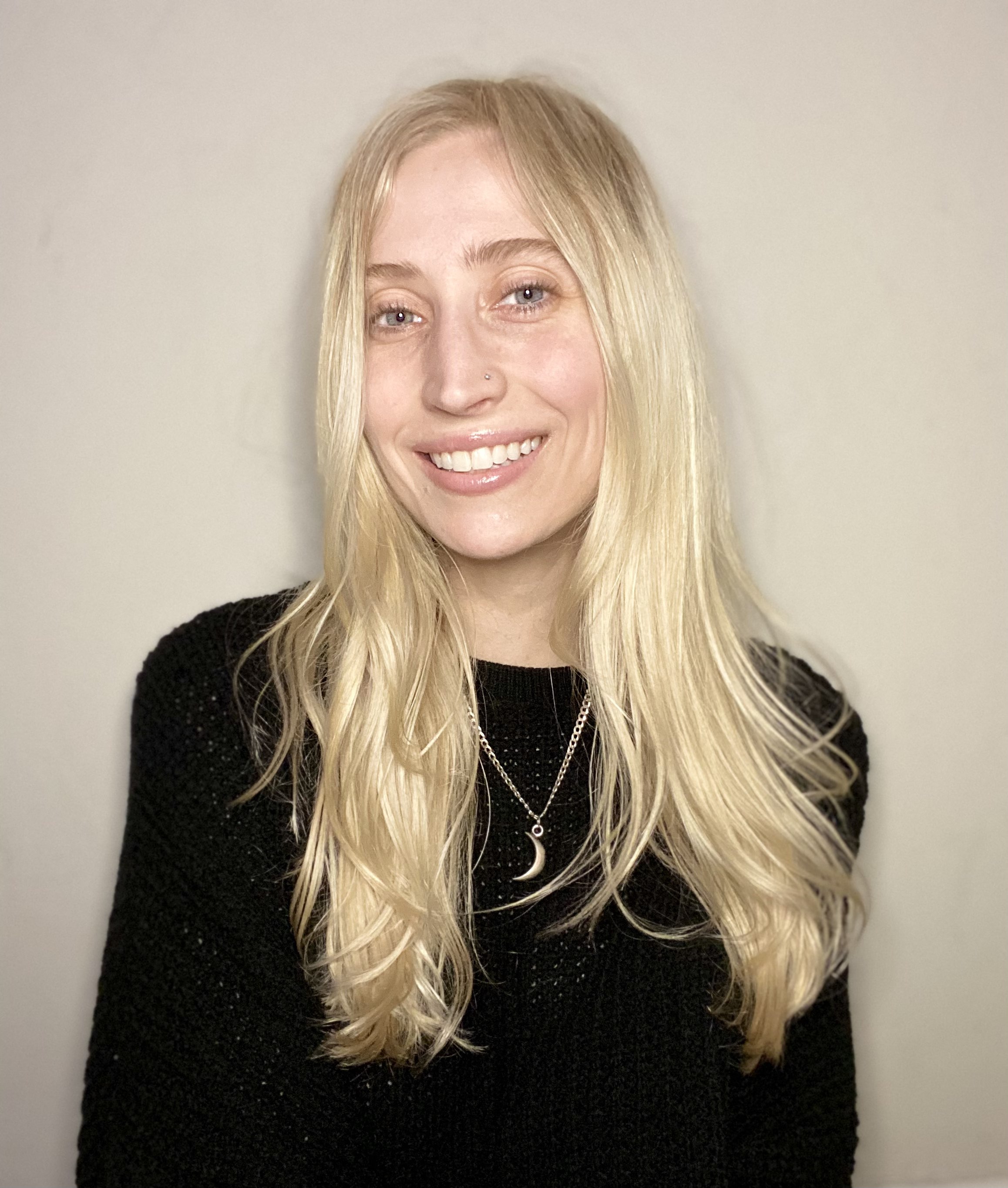
Wendy Barillas
Licensed Marriage and Family Therapist #133716
View ProfileExplore counseling options. Request an Appointment.
A Relational Approach
Attachment-based therapy explores how early relationships shaped the way you connect, protect yourself and see yourself, and makes room for more secure connection now.

01
From the start of life, people learn about closeness through the relationships around them. When a child's needs are met with warmth and steadiness, reaching out tends to feel safe. When needs are met unpredictably, harshly or not at all, a child may learn to cling, to hide what they need, or to rely only on themselves. These lessons are often learned long before there are words for them.
Wendy Barillas grounds her work in this understanding: the relationships we grow up in shape our sense of self and our ability to engage in healthy relationships later in life. Attachment-based therapy brings that lens into counseling, exploring how early experiences echo in present patterns of trust, closeness, conflict and self-worth.
You may have heard these patterns described as attachment styles, with words such as anxious or avoidant. Labels like these can be a helpful starting point, but attachment-based counseling looks at your own story rather than fitting you into a category. Because these patterns formed in relationships, the work explores them in relationships too, including the one you build with your therapist.
02
An attachment wound is a lasting hurt from a relationship that was supposed to offer safety and did not. It can come from neglect, abuse, loss, or caregiving that was inconsistent or emotionally out of reach. It can also come later in life, from betrayal by a partner or another relationship that shook your sense of trust.
Attachment wounds can show up in many ways: a fear of being left, difficulty trusting, pulling away when someone gets close, pleasing others at your own expense, harsh self-criticism, or strong reactions to small signs of distance. These patterns can appear with partners, friends, children or coworkers, and they often made sense as protection at the time they formed.
Exploring attachment is not about deciding who is at fault. It does not ask you to excuse what hurt you, and it does not ask you to carry blame for patterns you learned as a child. The aim is understanding: why a pattern developed, what it protected, and what kind of connection you want now. Wendy's attachment work centers on processing painful experiences, growing self-compassion and building more secure connections.
03
Wendy Barillas, LMFT #133716, is HOPE's Executive Director and Clinical Supervisor and is trained in attachment-based approaches. She works with individuals, couples, families and children, and her focus includes attachment wounds, the lasting effects of childhood and relational wounds, and emotional dysregulation, meaning emotions that feel too big or too hard to steady. With children and families, attachment work can sit alongside play therapy and Parent-Child Interaction Therapy, which are also part of her training.
Eva Di Giorgio, a Registered Associate Marriage and Family Therapist (#144286) supervised by a Licensed Marriage and Family Therapist, integrates attachment-based and trauma-informed work with parts-informed and emotion-focused perspectives. She works with attachment wounds, relational challenges and the experience of feeling stuck in emotional and relational patterns, across children, teens, adults, couples and families.
In attachment-based counseling, the relationship with your therapist matters in its own right. A steady, honest connection where you can take your time, disagree and still be met with care can become a place to practice a different kind of closeness. Wendy describes a warm and relational approach, and Eva emphasizes warm understanding and connection with each client.
04
No single approach defines counseling at HOPE. Our therapists work collaboratively, learn about the person and concern in front of them, and shape care around individual goals. An approach may be one part of the work, and you can ask questions or discuss another direction at any time.
The therapeutic relationship remains central. Your therapist will explain what they are inviting you to do, listen to your response, and respect your pace. You do not need to arrive knowing which method you want. Therapist profiles can help, or call or email us and we will help you find a good starting point.
HOPE offers counseling in person in Roseville and by secure video when the client is physically located in California. When you reach out, you can name an interest in a particular approach or simply describe what you would like support with.
Questions
Begin Here