Our Team
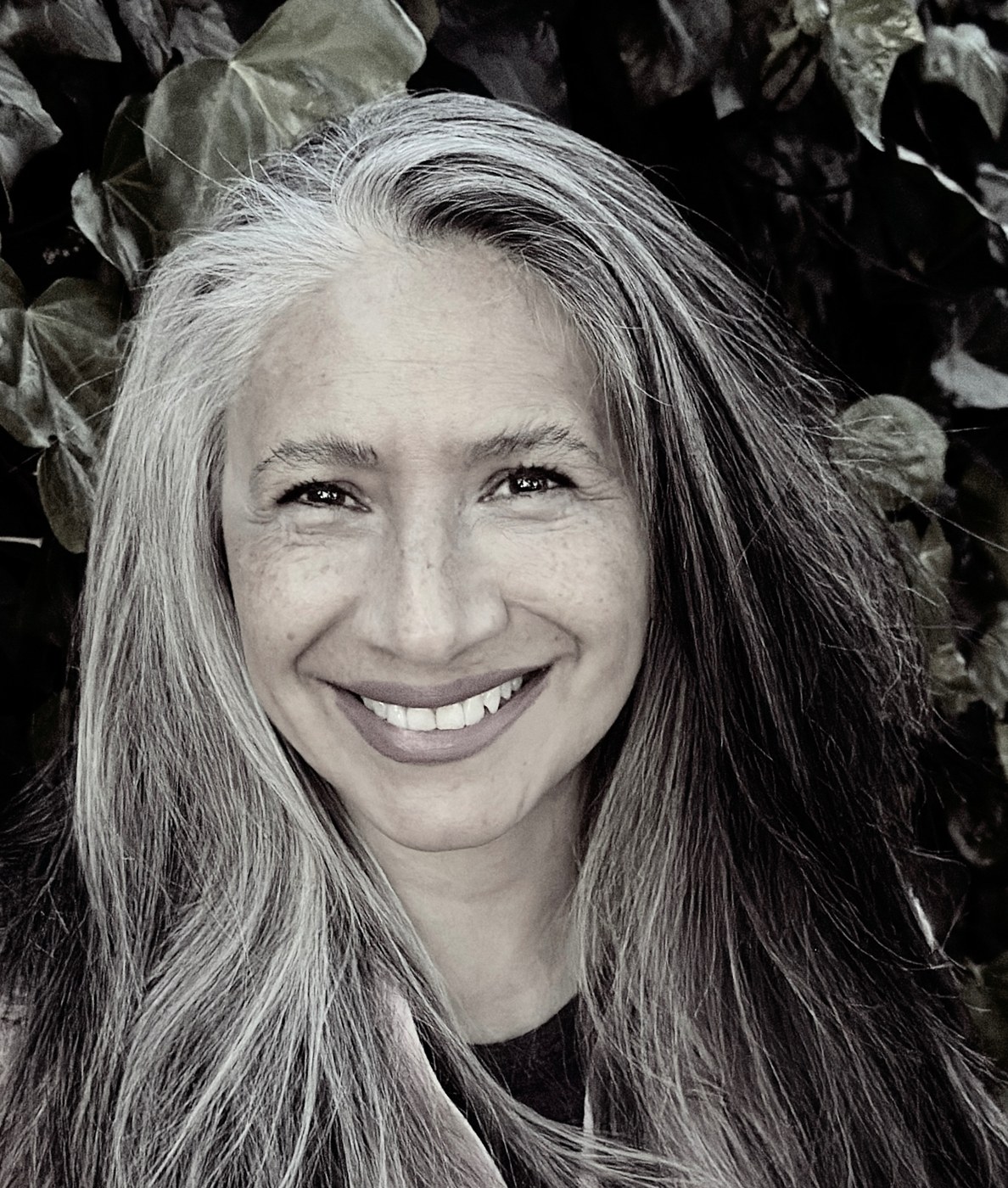
Wendy Barillas
Licensed Marriage and Family Therapist #133716
View ProfileExplore counseling options. Request an Appointment.
A Brain-Body Approach
Brainspotting is a brain-body approach Wendy and Eva use as part of individualized, trauma-informed care.

01
Brainspotting is a brain-body approach that uses points in the visual field while a client pays attention to emotional and body responses connected with an experience. At HOPE, Wendy Barillas and Eva Di Giorgio use Brainspotting as one option within individualized counseling.
The work is collaborative. The therapist explains what to expect, talks with you about the concern or experience you want to focus on, and follows your pace. Brainspotting is not required, and it does not replace the importance of trust, communication, and choice in the therapeutic relationship.
Wendy brings experience with trauma, attachment wounds, abuse, neglect, sexual assault, intimate partner violence, first responders, and military service members. Eva works with acute and complex trauma, grief, anxiety, depression, relational challenges, and attachment wounds. Wendy and Eva use Brainspotting as part of individualized, trauma-informed care.
02
During Brainspotting, you may notice thoughts, emotions, or physical sensations while your therapist helps you stay oriented and supported. Your experience can guide the pace. You can ask questions, pause, or talk about what you are noticing as the work unfolds.
Brainspotting may sit alongside conversation and other approaches used by the therapist. It is one possible part of counseling rather than a fixed program. Your therapist can discuss whether it fits your goals and what another direction might look like if it does not.
03
No single approach defines counseling at HOPE. Our therapists work collaboratively, learn about the person and concern in front of them, and shape care around individual goals. An approach may be one part of the work, and you can ask questions or discuss another direction at any time.
The therapeutic relationship remains central. Your therapist will explain what they are inviting you to do, listen to your response, and respect your pace. You do not need to arrive knowing which method you want. Therapist profiles can help, or call or email us and we will help you find a good starting point.
HOPE offers counseling in person in Roseville and by secure video when the client is physically located in California. When you reach out, you can name an interest in a particular approach or simply describe what you would like support with.
Questions
Begin Here