
Our Team
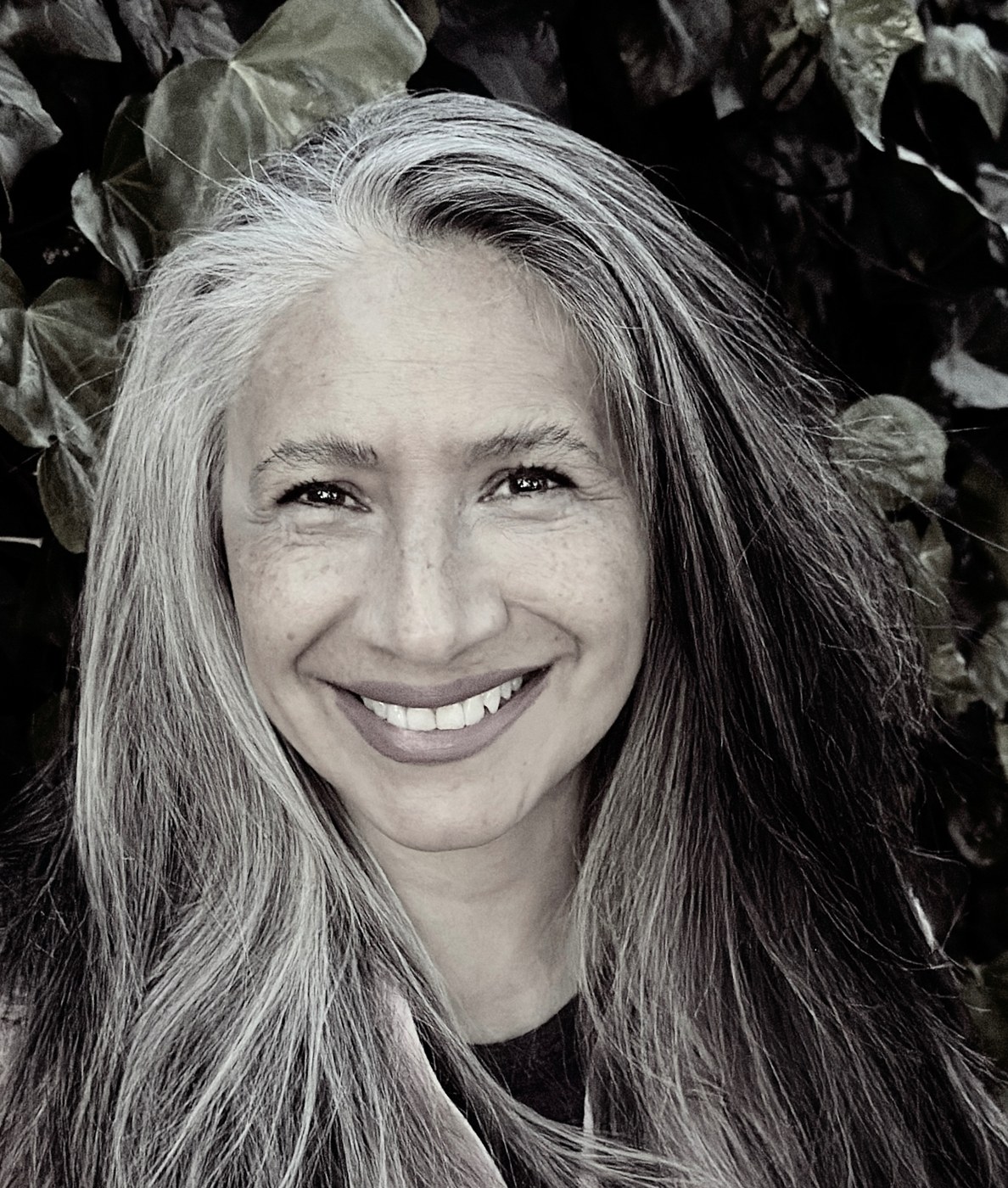
Wendy Barillas
Licensed Marriage and Family Therapist #133716
View ProfileExplore counseling options. Request an Appointment.
Our Primary Specialty
Understand relational patterns, strengthen communication, and build more secure connections, alone or as a couple.

01
Relationship concerns do not always begin with one event. They can grow through repeated moments of reaching, withdrawing, protecting, misunderstanding, or feeling unseen. A disagreement on the surface may carry older fears about closeness, trust, rejection, safety, or whether there is room for each person's needs.
Attachment offers one way to understand those patterns. Early relational experiences can shape how we seek connection, respond to distance, protect ourselves, and make meaning of conflict. Recognizing a pattern is not about assigning blame. It can create space to understand what is happening and consider a different response.
People seek this work individually, as couples, or within families. You may want to understand your own relational history, address recurring conflict with a partner, rebuild trust after infidelity, improve communication, navigate parenting or co-parenting, or explore patterns that appear across more than one relationship.
HOPE welcomes people whose lives and relationships do not fit a cookie-cutter mold. Sarah is comfortable working with non-traditional family systems, including people who identify as non-monogamous. Eva provides a culturally sensitive, LGBTQIA+ friendly setting. Our family counseling work includes blended and LGBTQ+ families.
02
In sessions, a therapist may help you slow down an interaction and notice the thoughts, emotions, body responses, needs, and protective moves within it. The work can include naming what each person is trying to communicate, making room for different experiences, and understanding how a familiar cycle takes over.
Wendy's work is rooted in the understanding that early relational experiences shape a person's sense of self and ability to engage in healthy relationships. She supports clients in processing attachment wounds, building self-compassion, and fostering secure connections. Her experience also includes co-parenting and reunification services, including court-ordered services.
Eva integrates a parts perspective, emotion-focused work, attachment, and trauma-informed care. She works with clients who feel stuck in emotional and relational patterns and aims to provide a space marked by authenticity, adaptability, and honesty. Tiffany helps clients explore relational patterns that no longer serve them and consider new ways to approach life's obstacles.
Sarah places strong emphasis on rapport and the relationship between client and therapist. Her work draws from psychodynamic influences, parts work, and EMDR. Megan is client-centered and relational, with somatic training that can bring attention to how feelings and stress show up in the body. Hanna supports individuals, couples, and families with relationship concerns and communication difficulties.
03
You do not need to decide whether the concern belongs in individual or couples counseling before contacting HOPE. Tell us who is seeking support and what you hope to better understand. You can request a specific therapist or ask our team to help identify a starting point.
Counseling is available in person in Roseville and by secure video when clients are located in California. Sessions are shaped around the people present, the therapist's areas of experience, and the goals you discuss together. No approach is a requirement, and you can ask questions about how a therapist works before beginning.
Relationship work does not require a perfect account of what happened or agreement about every detail. The first step can be as simple as naming that communication, trust, closeness, conflict, parenting, family relationships, or a recurring pattern has become difficult and that you would like a supported place to look at it.
04
Counseling at HOPE is collaborative and shaped around the person, couple, or family in the room. We do not begin with a preset definition of success. Instead, your therapist makes space for what matters to you, helps you identify personal goals, and works with your experiences and strengths. You can talk about what feels difficult, notice patterns, and decide together where to focus.
Our therapists bring different backgrounds and approaches to this work. Some draw from attachment-based, relational, psychodynamic, parts-informed, somatic, emotion-focused, or cognitive behavioral perspectives. Trauma-informed approaches available within the practice include EMDR, Brainspotting, and Trauma-Focused CBT. Work with children and families may also include play therapy and Parent-Child Interaction Therapy. The approach used depends on the therapist, the client, and the goals you discuss together.
The relationship between client and therapist matters. Our team aims to offer a setting grounded in trust, collaboration, communication, and respect. You can ask questions, share what is or is not helpful, and move at a pace that respects where you are. Therapy can include honest conversation, attention to emotions and relationships, and practical ways of understanding what you are experiencing.
05
A first step does not require having everything figured out. You can read our therapist profiles, or call or email us and we will help you find a good starting point. If you have a therapist preference, let us know. If you do not, we can help identify a good starting point based on the concern, who will attend, the way you would like to meet, and any language preference.
HOPE offers counseling in person at our Roseville office and by secure video for clients who are located in California during the session. Wendy offers counseling in English and Spanish. A therapist will contact you within 48 hours, Monday through Friday. Before beginning, you can ask questions and learn what to expect so that the next step feels clear.
Questions
Meet the Team
Our Team
Licensed Marriage and Family Therapist #133716
View Profile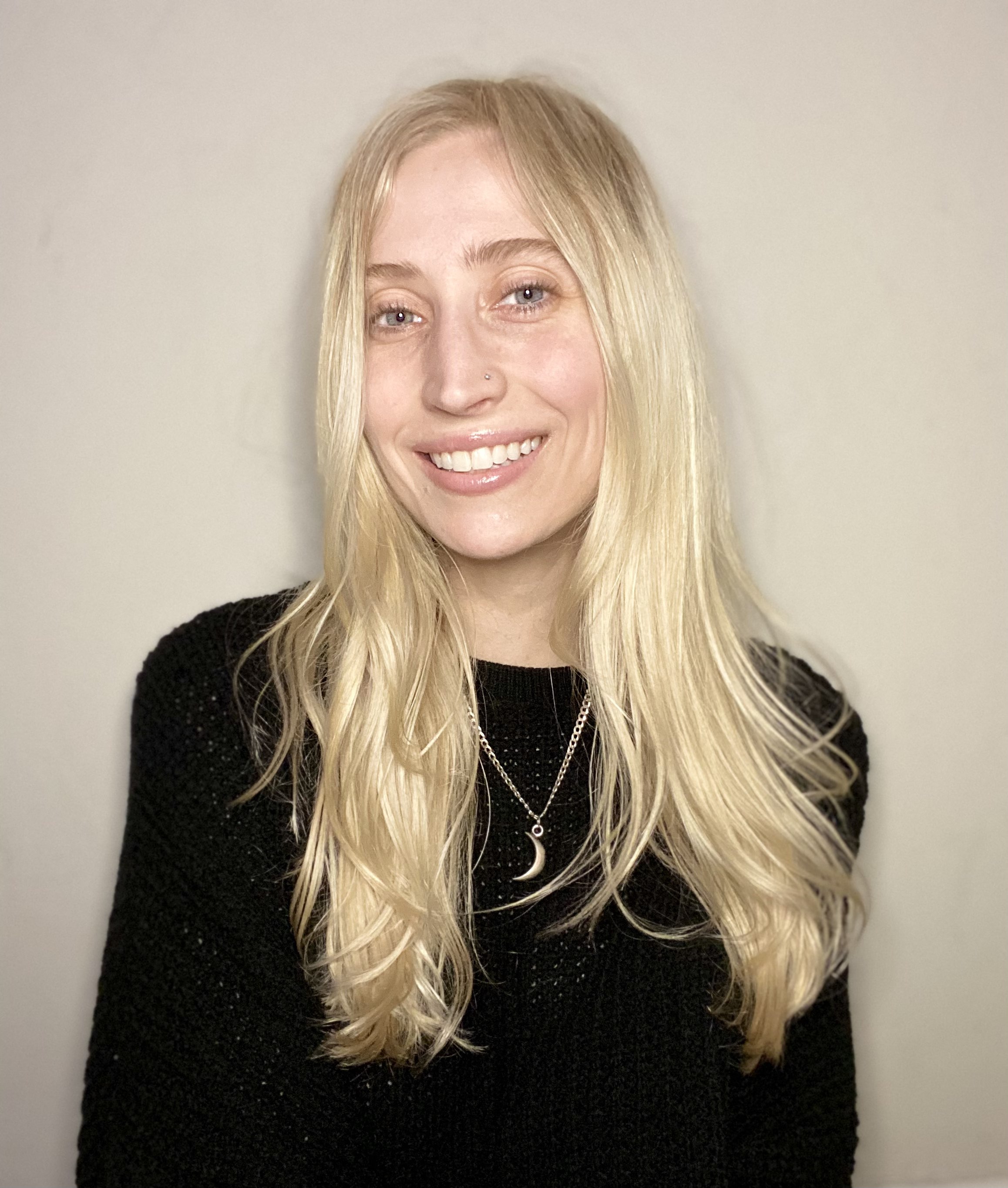
Our Team
Registered Associate Marriage and Family Therapist #144286
View Profile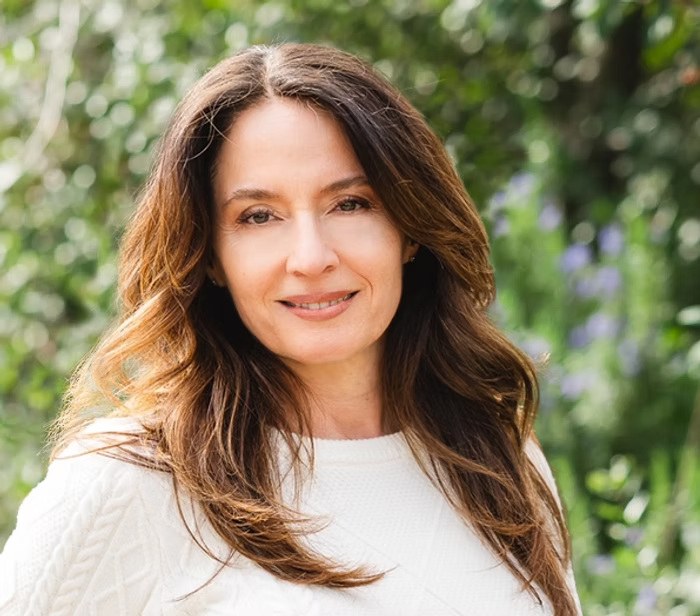
Our Team
Registered Associate Marriage and Family Therapist #142636
View Profile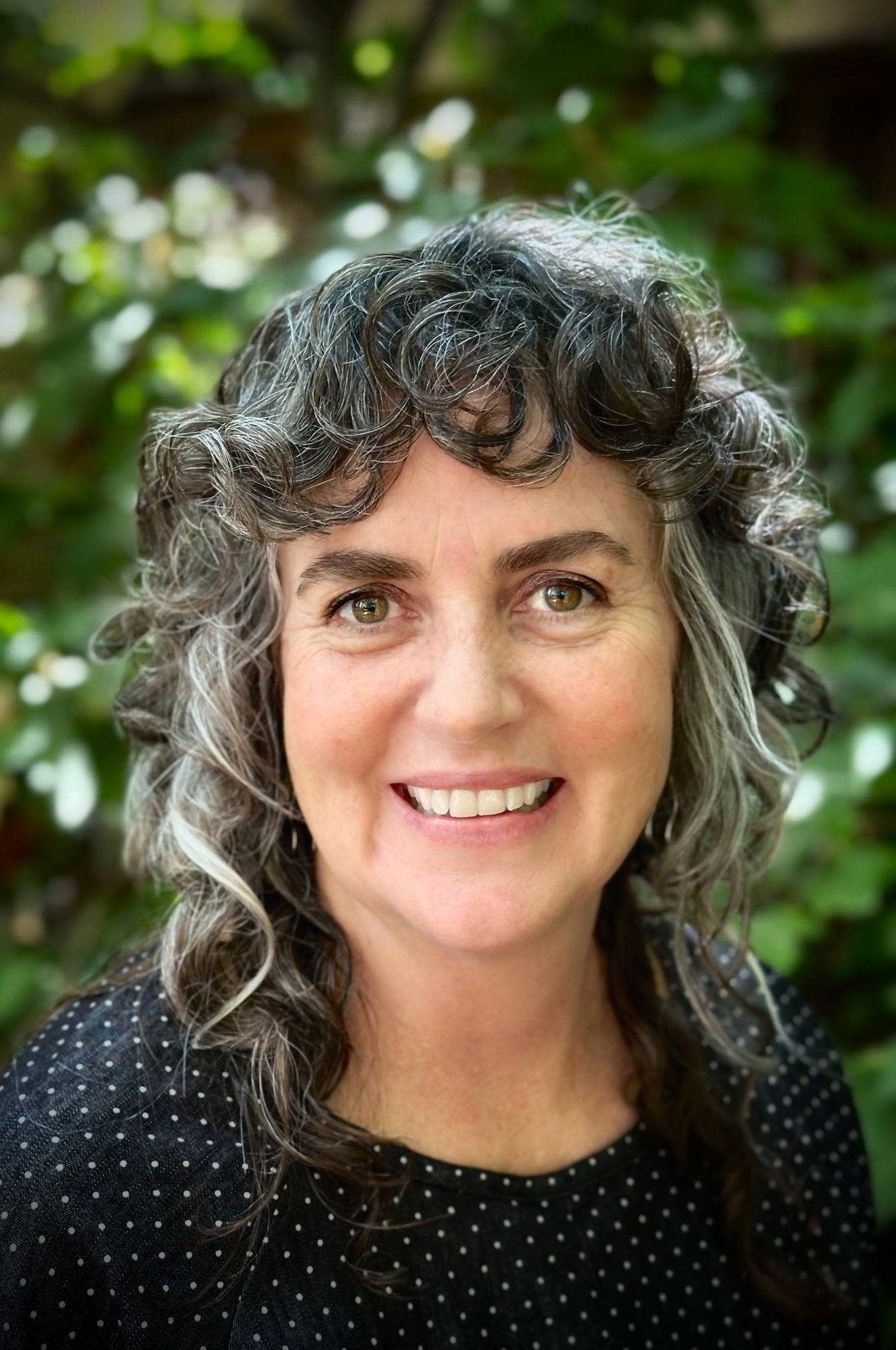
Our Team
Marriage and Family Therapist Trainee
View Profile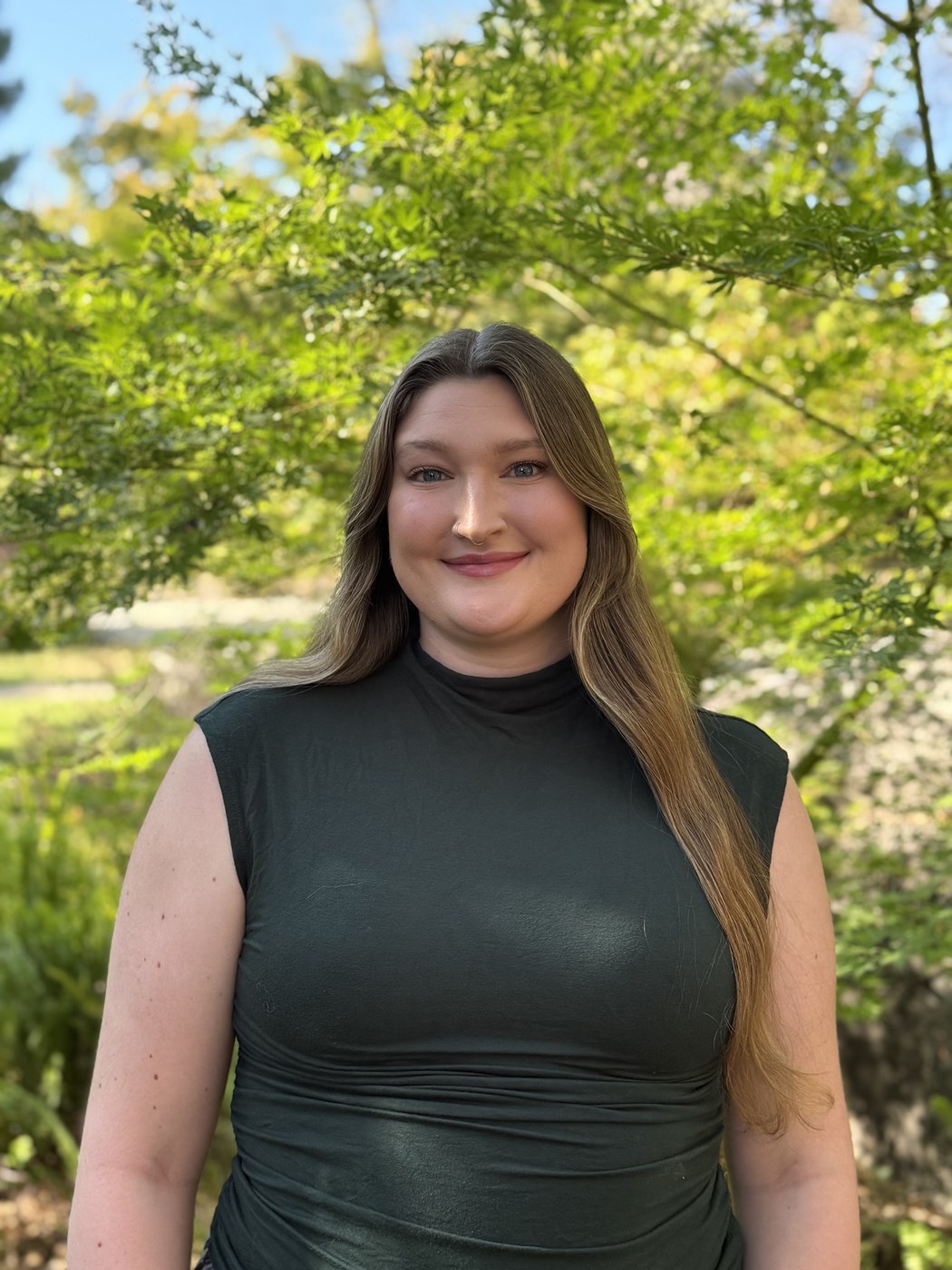
Our Team
Marriage and Family Therapist Trainee
View ProfileOur Team
Marriage and Family Therapist Trainee
View ProfileBegin Here