Our Team
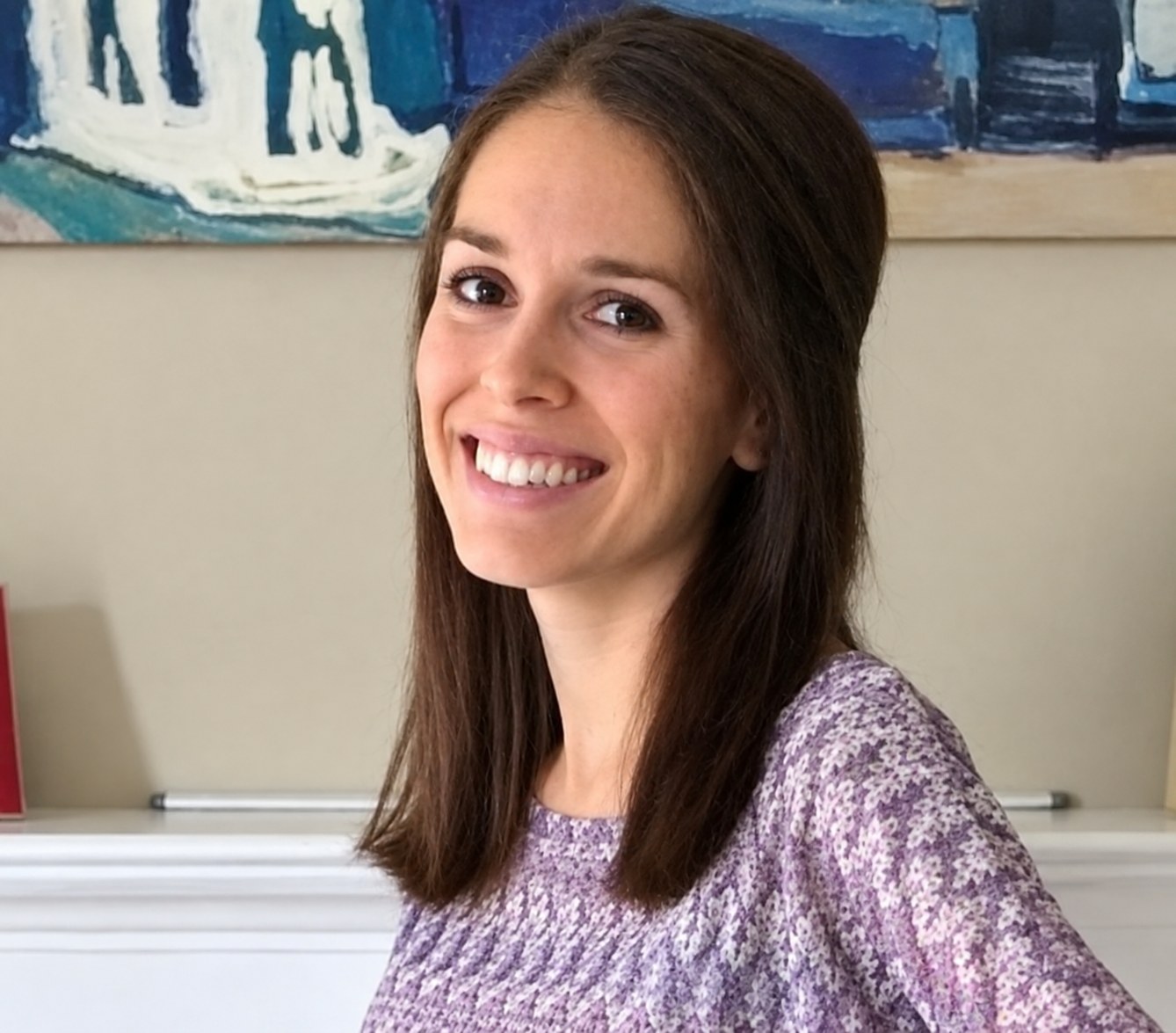
Wendy Barillas
Licensed Marriage and Family Therapist #133716
View ProfileExplore counseling options. Request an Appointment.
Trauma-Informed Care
EMDR and Brainspotting both bring the eyes and the body into counseling, but they work differently. Here is a plain-language look at each and at who uses them at HOPE.

01
EMDR and Brainspotting are both trauma-informed approaches that bring the eyes and the body into counseling, and both may be considered when painful experiences still feel close. The main difference is structure. EMDR follows a defined sequence and uses guided bilateral stimulation, such as back-and-forth eye movements. Brainspotting works with a single point in your field of vision and follows what arises in a more open-ended way.
Neither approach is required at HOPE, and neither is the only way to work with trauma. Both are options your therapist may discuss once they understand your goals, as much of your history as you want to share, and how you feel about the work. You do not need to choose one, or know much about either, before you reach out.
02
EMDR stands for Eye Movement Desensitization and Reprocessing, a structured approach used in work with distressing experiences. In practice, EMDR work can involve choosing a memory or concern to focus on, noticing what comes up in your thoughts, feelings and body, and then adding bilateral stimulation, which means alternating left and right input such as guided eye movements. Your therapist explains each part as you go.
Before any memory work starts, your therapist walks you through the process, checks in about readiness, and talks about how EMDR connects to what you want from counseling. At HOPE, EMDR is used by Wendy Barillas, Licensed Marriage and Family Therapist #133716, and by Sarah Hausmann, Registered Associate Professional Clinical Counselor #15480, who is supervised by a Licensed Marriage and Family Therapist.
Wendy's work includes trauma and attachment wounds, abuse, neglect, sexual assault, intimate partner violence and emotional dysregulation. Sarah works with individuals, draws from psychodynamic influences and parts work, and puts a strong emphasis on rapport, because she sees the relationship between client and therapist as the foundation for exploration and growth.
03
Brainspotting is a brain-body approach. Your therapist helps you find a point in your field of vision that seems linked to the emotional and physical responses you notice when you bring an experience to mind. You then rest your gaze on that spot while paying attention to what you feel, sense or think, and your therapist helps you stay grounded and supported throughout.
Brainspotting is less of a fixed program and more of an approach that follows your experience. It can sit alongside conversation and other ways of working, and you can pause, ask questions or describe what you are noticing at any point. At HOPE, Brainspotting is used by Wendy Barillas and by Eva Di Giorgio, Registered Associate Marriage and Family Therapist #144286, supervised by a Licensed Marriage and Family Therapist.
Eva works with acute and complex trauma, grief, anxiety, depression, relational challenges and attachment wounds, and she integrates parts-informed, emotion-focused and attachment perspectives. Wendy is trained in both EMDR and Brainspotting, so she can talk with you about either one, or about why a different approach might suit you better for now.
04
Both approaches can stir up strong feelings, memories or body sensations, so readiness matters. A readiness conversation might cover what feels steady in your life right now, what helps you settle when emotions run high, and what you hope to focus on. If the timing does not feel right, that is useful information, not a failure, and building steadiness first is a reasonable choice.
Pacing is shared. You can ask questions, pause, slow down or change direction during a session, and you do not have to describe every detail of what happened before you feel ready. Trauma-informed care at HOPE rests on collaboration and choice, so your therapist will tell you what they are suggesting and check in about how it feels for you.
05
EMDR and Brainspotting are two options among several. Wendy also uses Trauma-Focused CBT, a structured approach often used with children, teens and their caregivers. Eva and Sarah both bring parts work into their counseling. Megan Sullivan, a Marriage and Family Therapist Trainee supervised by Wendy Barillas, brings a somatic approach that tends to how feelings and stress show up in the body.
Other members of the team draw from attachment-based, relational, emotion-focused and psychodynamic perspectives, so there is more than one way into this work. If an approach does not feel right for you, you can say so and talk with your therapist about another direction.
There is no need to choose a method before you call. When you reach out, mention EMDR or Brainspotting if either one interests you, or just tell us what you are hoping to work on, and we will help you find a starting point. Call 916-757-3030 or email info@hope-counselingcenter.org, and a therapist will contact you within 48 hours, Monday through Friday.
Questions
Meet the Team
Begin Here