
Our Team
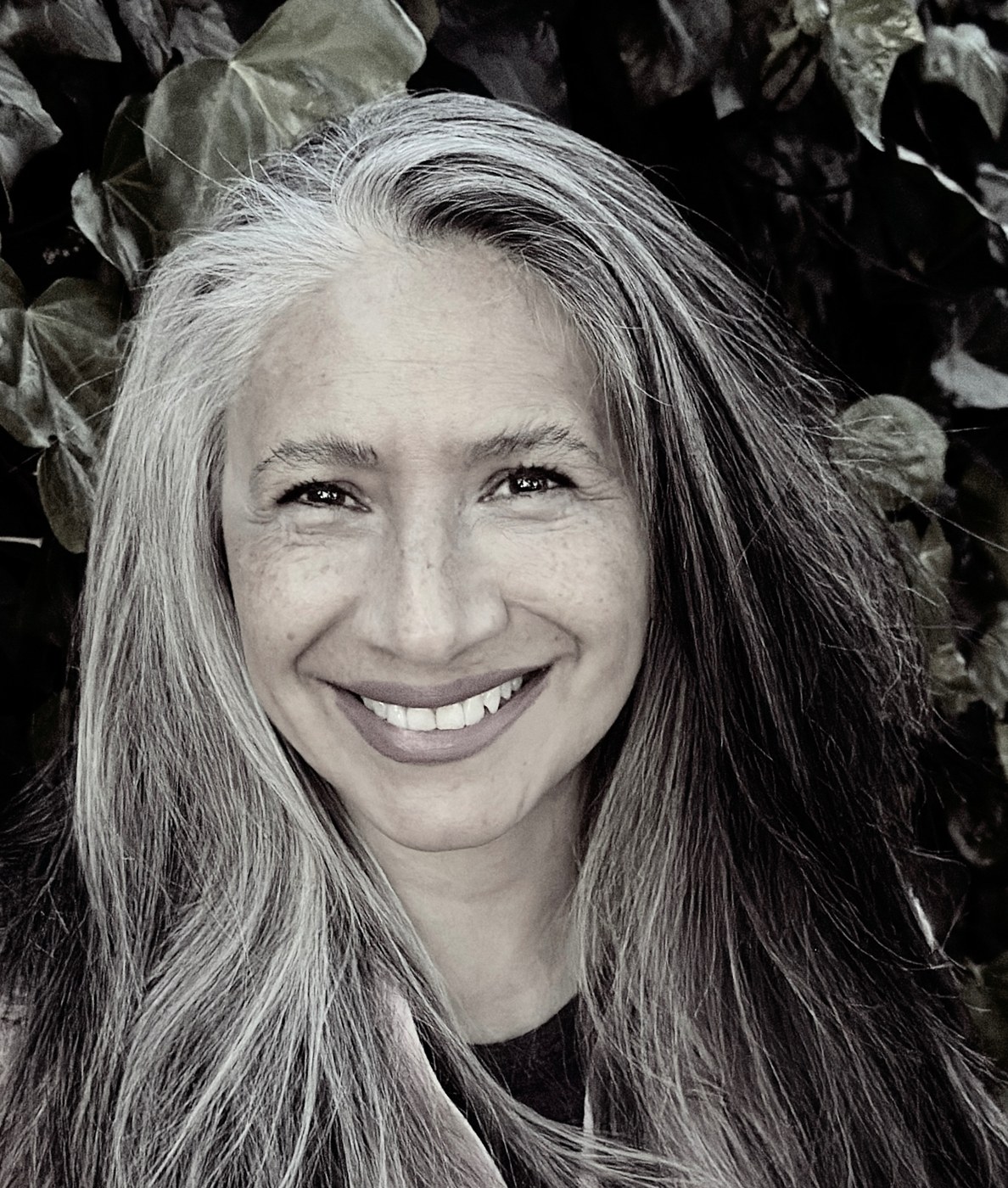
Wendy Barillas
Licensed Marriage and Family Therapist #133716
View ProfileExplore counseling options. Request an Appointment.
At Your Pace
Gentle, trauma-informed counseling for survivors of sexual assault and intimate partner violence, where you set the pace and decide what to share.

01
If you have lived through sexual assault, domestic violence or abuse from a partner, you deserve care that feels safe and respectful. It may have happened recently or many years ago, once or over a long period. However it happened, and whatever you did to get through it, responsibility for the harm belongs to the person who caused it.
You set the pace in counseling. You do not have to share the details of what happened, and you can decide what, if anything, you want to say about it. You might begin with what feels hardest right now, such as sleep, trust, feeling on edge, or the way the experience is touching your relationships and daily life.
Intimate partner violence means abuse by a current or former partner, and it can happen in any kind of relationship. Like sexual assault, it can affect people of any gender, background or sexual orientation. HOPE welcomes survivors without assumptions about who you are or how your story should sound. Counseling here is not a place where you have to prove what happened or justify the choices you made to survive.
02
If you are in danger right now, call 911. If you need immediate help, call or text 988. Veterans and service members can press 1. HOPE's website, email and phone lines are not monitored for emergencies, so please use 988 or 911 whenever you need help right away.
National hotlines are another source of support. To reach the National Domestic Violence Hotline, call 1-800-799-7233 or text START to 88788. To reach the RAINN National Sexual Assault Hotline, call 1-800-656-4673. These hotlines are separate from HOPE, and you can contact them whether or not you are in counseling.
If someone else may see your phone, email or messages, choose the way of reaching out that feels safest to you. When you contact HOPE, you can mention if one way of being contacted is safer than another. Please keep the details of what happened out of email, voicemail and the website form, which are meant only for arranging a first conversation.
03
Wendy Barillas, Licensed Marriage and Family Therapist #133716, brings extensive experience supporting survivors of sexual assault and intimate partner violence, along with individuals and families navigating the effects of trauma. Her approach is warm and relational. She works with individuals, couples, families and children, including children who have experienced abuse, and she also offers counseling in Spanish.
Trauma-informed care means the work is built around safety, choice and collaboration. Early sessions can focus on stability and on getting to know each other, and your therapist can help you find what helps you feel steadier, such as grounding, which means using your senses and breath to return to the present moment. Deeper work begins only when you feel ready, and you can pause, change direction or ask questions at any point.
Wendy's training includes EMDR and Brainspotting, as well as Trauma-Focused CBT for children and teens alongside their caregivers. EMDR, short for Eye Movement Desensitization and Reprocessing, pairs attention to a distressing memory with guided bilateral stimulation such as eye movements. Brainspotting, another brain-body approach, involves resting your gaze on a particular point while you notice feelings and sensations. Each is an option to talk through, never a requirement, and readiness comes first.
04
Counseling at HOPE is collaborative and shaped around the person, couple, or family in the room. We do not begin with a preset definition of success. Instead, your therapist makes space for what matters to you, helps you identify personal goals, and works with your experiences and strengths. You can talk about what feels difficult, notice patterns, and decide together where to focus.
Our therapists bring different backgrounds and approaches to this work. Some draw from attachment-based, relational, psychodynamic, parts-informed, somatic, emotion-focused, or cognitive behavioral perspectives. Trauma-informed approaches available within the practice include EMDR, Brainspotting, and Trauma-Focused CBT. Work with children and families may also include play therapy and Parent-Child Interaction Therapy. The approach used depends on the therapist, the client, and the goals you discuss together.
The relationship between client and therapist matters. Our team aims to offer a setting grounded in trust, collaboration, communication, and respect. You can ask questions, share what is or is not helpful, and move at a pace that respects where you are. Therapy can include honest conversation, attention to emotions and relationships, and practical ways of understanding what you are experiencing.
05
A first step does not require having everything figured out. You can read our therapist profiles, or call or email us and we will help you find a good starting point. If you have a therapist preference, let us know. If you do not, we can help identify a good starting point based on the concern, who will attend, the way you would like to meet, and any language preference.
HOPE offers counseling in person at our Roseville office and by secure video for clients who are located in California during the session. Wendy offers counseling in English and Spanish. A therapist will contact you within 48 hours, Monday through Friday. Before beginning, you can ask questions and learn what to expect so that the next step feels clear.
Questions
Meet the Team
Begin Here