Our Team
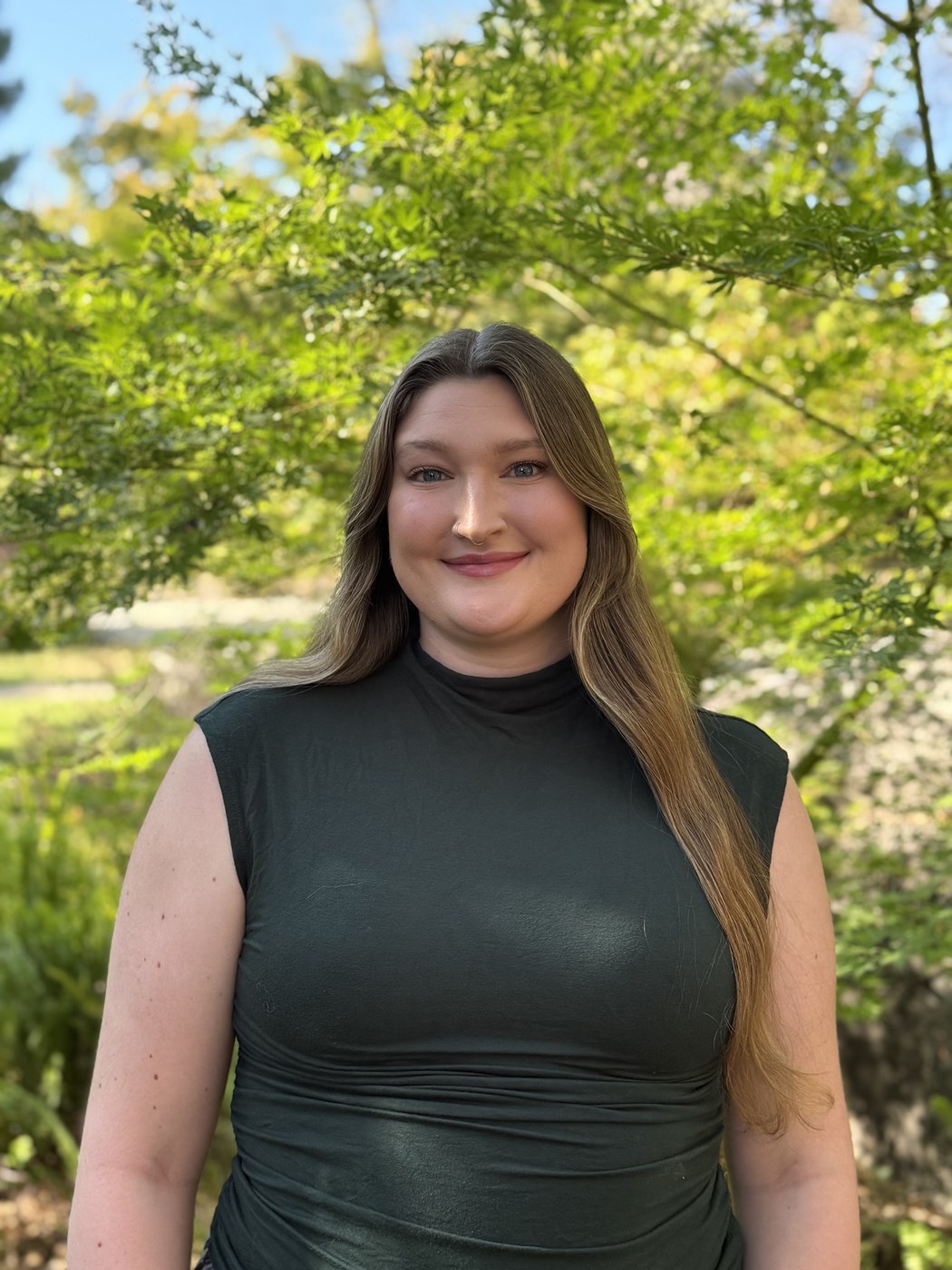
Megan Sullivan
Marriage and Family Therapist Trainee
View ProfileExplore counseling options. Request an Appointment.
Strengths-Focused Support
Counseling for neurodivergent children, teens, adults and families, including ADHD, that starts from strengths and makes room for the way your mind works.

01
Neurodivergence is a broad term for minds that focus, learn, process or respond to the world differently from what is often treated as typical. ADHD is one example, and there are many others. Being neurodivergent is not a flaw to fix. It is part of who a person is, with real strengths alongside real challenges.
Counseling at HOPE starts from that respect. You might want support with stress, anxiety, low mood or relationships, or with the exhaustion of adapting to settings that were not built with you in mind. The goals come from you, not from a picture of how a mind should work. You set the pace, and you do not have to share details about your history, or your child's, unless you want to.
If you have spent years feeling misunderstood or being told to try harder, it can take time to trust a new setting. You can tell your therapist what feels comfortable and what does not, and that feedback can shape the work. Understanding yourself more fully, with less shame and more self-compassion, is a worthy goal on its own.
02
Behavior often carries a message. A child who falls apart after a long day of holding it together, a teen who shuts down when plans change, or an adult who snaps after too much noise and too many demands may be overwhelmed rather than unwilling. Looking at the link between behavior and emotion can turn frustration into curiosity for everyone involved.
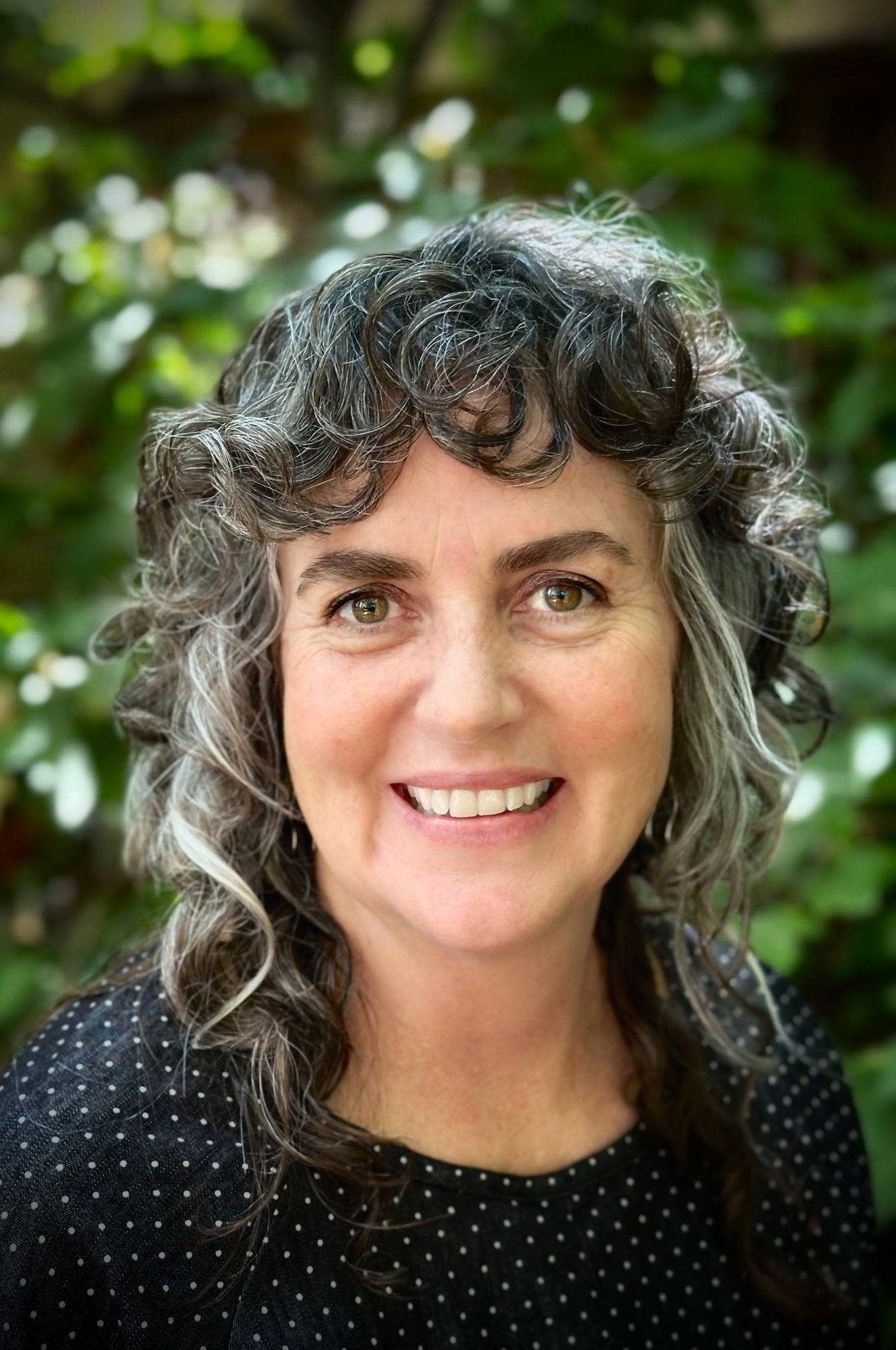
Hanna Kunhart, a Marriage and Family Therapist Trainee supervised by Wendy Barillas, Licensed Marriage and Family Therapist #133716, spent three years as a Registered Behavior Technician working with neurodivergent children before becoming a trainee. She describes that time as the start of her passion for collaborative, strengths-focused work and for understanding how behavior and emotion connect. At HOPE she works with individuals, couples and families.
Megan Sullivan, a Marriage and Family Therapist Trainee supervised by Wendy Barillas, Licensed Marriage and Family Therapist #133716, names neurodivergence among the areas she works with, and she sees children, teens, individuals, couples and families. Her somatic training offers tools for embodied self-awareness and regulation, which means noticing how stress and feelings register in the body and finding ways to settle. She also spent twenty-five years as a teacher.
03
Neurodivergence can shape life for a whole household. A parent may feel stretched between advocating for a child and caring for themselves, a sibling may feel overlooked, and partners may misread each other's habits as carelessness. Family or couples sessions can make room for each person's experience and look for ways of communicating that fit how each person takes in information and expresses feelings.
You can also tell your therapist what helps you take part comfortably, such as taking breaks or writing things down, and talk together about what is possible. Some people focus more easily from home by secure video, while others prefer the structure of coming into the Roseville office. When you reach out, mention any preference and ask which formats are available with Megan or Hanna.
HOPE's role is counseling: a place to understand experience, draw on strengths and work toward relationships that feel more workable, starting wherever you and your family are right now. If anyone in your family needs immediate help, call or text 988, and in an emergency, call 911.
04
Counseling at HOPE is collaborative and shaped around the person, couple, or family in the room. We do not begin with a preset definition of success. Instead, your therapist makes space for what matters to you, helps you identify personal goals, and works with your experiences and strengths. You can talk about what feels difficult, notice patterns, and decide together where to focus.
Our therapists bring different backgrounds and approaches to this work. Some draw from attachment-based, relational, psychodynamic, parts-informed, somatic, emotion-focused, or cognitive behavioral perspectives. Trauma-informed approaches available within the practice include EMDR, Brainspotting, and Trauma-Focused CBT. Work with children and families may also include play therapy and Parent-Child Interaction Therapy. The approach used depends on the therapist, the client, and the goals you discuss together.
The relationship between client and therapist matters. Our team aims to offer a setting grounded in trust, collaboration, communication, and respect. You can ask questions, share what is or is not helpful, and move at a pace that respects where you are. Therapy can include honest conversation, attention to emotions and relationships, and practical ways of understanding what you are experiencing.
05
A first step does not require having everything figured out. You can read our therapist profiles, or call or email us and we will help you find a good starting point. If you have a therapist preference, let us know. If you do not, we can help identify a good starting point based on the concern, who will attend, the way you would like to meet, and any language preference.
HOPE offers counseling in person at our Roseville office and by secure video for clients who are located in California during the session. Wendy offers counseling in English and Spanish. A therapist will contact you within 48 hours, Monday through Friday. Before beginning, you can ask questions and learn what to expect so that the next step feels clear.
Questions
Meet the Team
Begin Here