Our Team
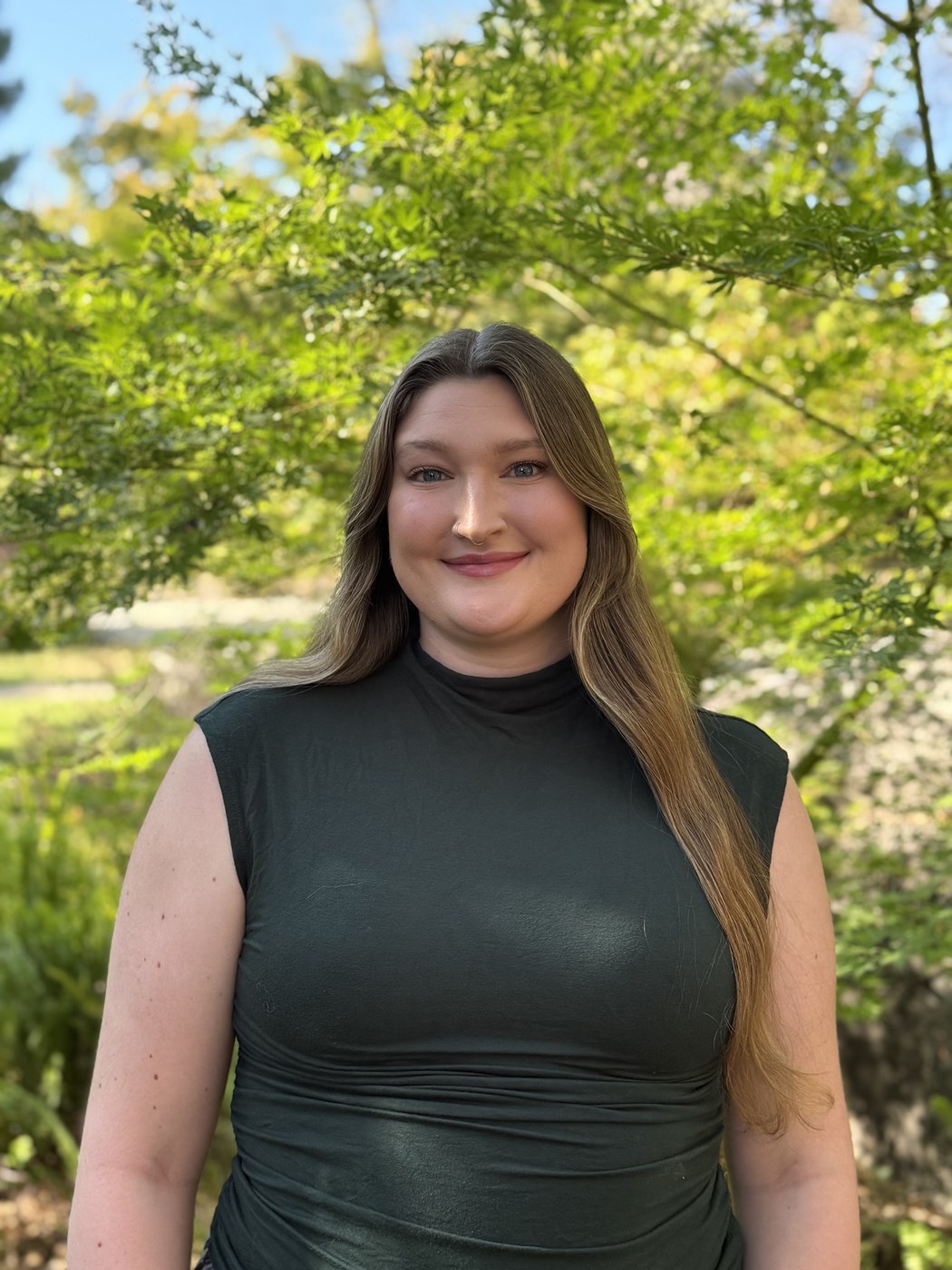
Megan Sullivan
Marriage and Family Therapist Trainee
View ProfileExplore counseling options. Request an Appointment.
Later Life and Family
Counseling for older adults and their families through transitions, grief, relationships, changes in health and ability, and the questions later life can bring.

01
Later life can bring some of the biggest changes a person faces: retiring, leaving a long-time home, becoming a grandparent or a caregiver, shifts in health, and changes in friendships and family roles. Some changes are welcome and some are not, and several may arrive at once. Counseling offers a place to sort through them at a pace that suits you.
Growth continues at every stage of life. You might want to reflect on the story of your life, make peace with old regrets, reconnect with what gives you purpose, or understand feelings that are new or surprising. Megan Sullivan, a Marriage and Family Therapist Trainee supervised by Wendy Barillas, Licensed Marriage and Family Therapist #133716, works with life transitions, crises of meaning or purpose, and personal growth.
Anxiety and low mood deserve care at any age, and they do not have to be accepted as part of growing older. Worry about health, money or family, sadness after a loss, or a growing sense of isolation can all be worth talking through. Hanna Kunhart, a Marriage and Family Therapist Trainee supervised by Wendy Barillas, Licensed Marriage and Family Therapist #133716, offers support with worry, low mood, stress and the adjustments that life transitions bring.
02
Later life can bring many kinds of loss: a spouse or partner, siblings, friends, a home, a role or a sense of independence. Losses can stack up, leaving little time to absorb one before the next arrives. Counseling can hold that grief without rushing it, whether the loss happened recently or is something you have carried for years.
Brianna Rivera, a Marriage and Family Therapist Trainee supervised by Wendy Barillas, Licensed Marriage and Family Therapist #133716, has experience with older adults and supports grief and loss, life transitions, anxiety, depression, relationship concerns and adjustment to disability. She works to make sessions feel comfortable, so you can be heard and explore what you are experiencing without being hurried.
Changes in hearing, vision or mobility can affect independence and identity. Adjusting often involves practical changes along with feelings such as frustration, sadness or worry about being a burden. Counseling can make room for those feelings while also noticing the strengths, relationships and sources of meaning that remain part of your life.
03
Relationships keep changing in later life. Long partnerships meet new challenges after retirement or illness, new relationships begin, and adult children and parents renegotiate their roles. Caring for a partner or parent can strain even close bonds. HOPE's therapists work with couples and families as well as individuals, and Hanna's work includes communication difficulties and relationship concerns.
If you are the one providing care for a partner or parent, counseling can be a place for you as well. Caregiving can bring love, exhaustion, grief and guilt all at once, and it can be hard to admit how much it asks of you. Your own needs and limits deserve attention too, alongside the needs of the person you care for.
If driving or getting around has become harder, secure video lets you meet from home while you are in California, and in-person sessions take place at HOPE's office on Douglas Boulevard in Roseville. If video is new to you, a family member or friend can help with setup beforehand, and the therapist can answer questions about how it works. When you get in touch, ask which formats are open with each therapist and say whether you would rather start at home or at the office.
04
Counseling at HOPE is collaborative and shaped around the person, couple, or family in the room. We do not begin with a preset definition of success. Instead, your therapist makes space for what matters to you, helps you identify personal goals, and works with your experiences and strengths. You can talk about what feels difficult, notice patterns, and decide together where to focus.
Our therapists bring different backgrounds and approaches to this work. Some draw from attachment-based, relational, psychodynamic, parts-informed, somatic, emotion-focused, or cognitive behavioral perspectives. Trauma-informed approaches available within the practice include EMDR, Brainspotting, and Trauma-Focused CBT. Work with children and families may also include play therapy and Parent-Child Interaction Therapy. The approach used depends on the therapist, the client, and the goals you discuss together.
The relationship between client and therapist matters. Our team aims to offer a setting grounded in trust, collaboration, communication, and respect. You can ask questions, share what is or is not helpful, and move at a pace that respects where you are. Therapy can include honest conversation, attention to emotions and relationships, and practical ways of understanding what you are experiencing.
05
A first step does not require having everything figured out. You can read our therapist profiles, or call or email us and we will help you find a good starting point. If you have a therapist preference, let us know. If you do not, we can help identify a good starting point based on the concern, who will attend, the way you would like to meet, and any language preference.
HOPE offers counseling in person at our Roseville office and by secure video for clients who are located in California during the session. Wendy offers counseling in English and Spanish. A therapist will contact you within 48 hours, Monday through Friday. Before beginning, you can ask questions and learn what to expect so that the next step feels clear.
Questions
Begin Here