
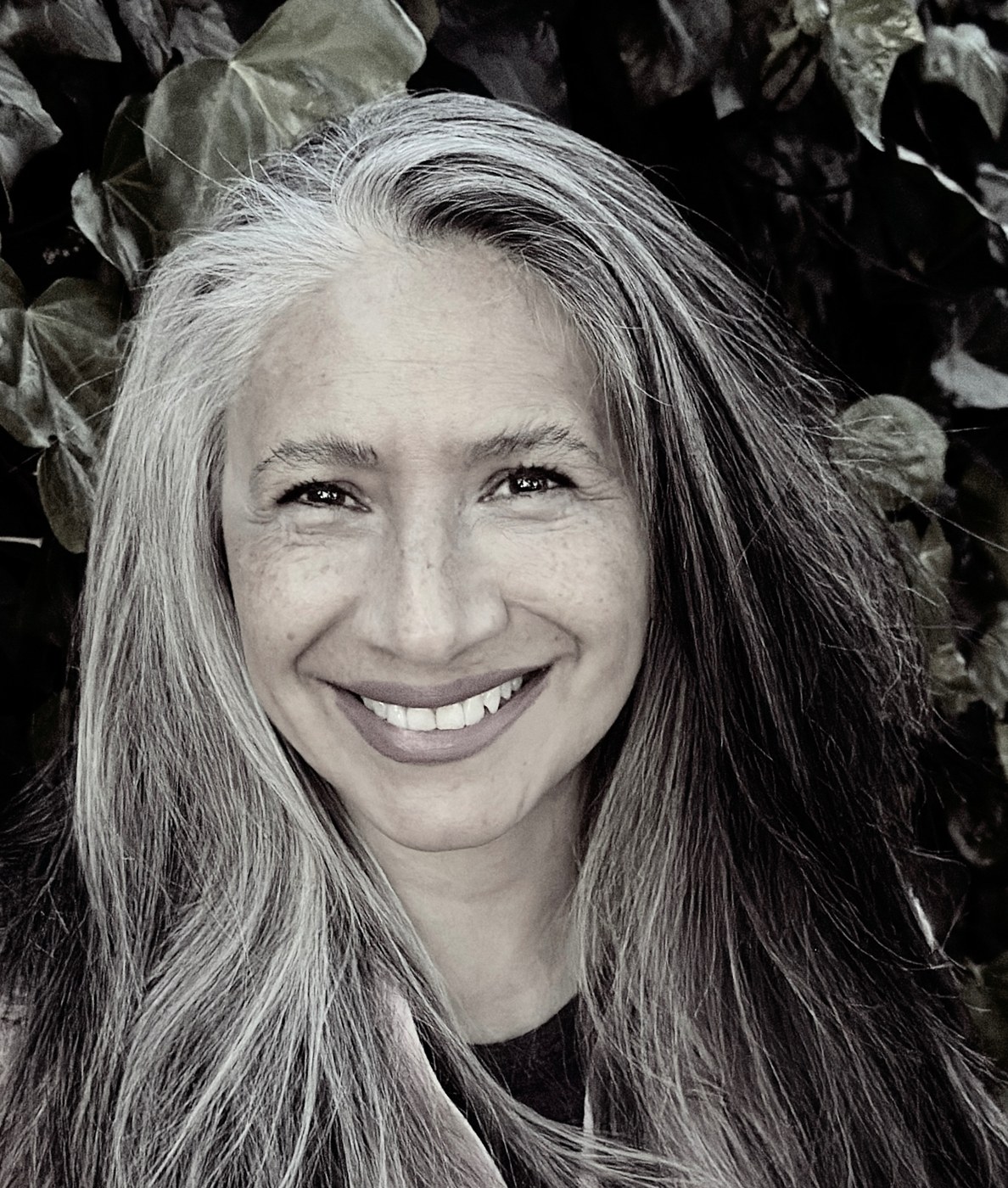
Our Team
Wendy Barillas
Licensed Marriage and Family Therapist #133716
View ProfileExplore counseling options. Request an Appointment.
Training and Supervision
What it means to see a licensed therapist, a registered associate or a therapist trainee at HOPE, and how clinical supervision supports your care.
01
Supervised counseling means your therapist is on the path toward full licensure and sees clients with the guidance of a licensed clinician. In California, that path includes a master's degree, thousands of hours of supervised experience, and the required state exams. Trainees are still in graduate school, while registered associates have finished their degree and are building supervised experience. At both stages, therapists work directly with clients, and a licensed clinician supports their work along the way.
At HOPE, each therapist on our team either holds a license or practices under the supervision of a licensed clinician. That structure is not an add-on. It grows out of the reason HOPE exists, and it shapes how our team learns, reflects and cares for the people who come to us, whether they meet in Roseville or by secure video.
02
A licensed therapist has earned a master's degree, built up thousands of hours of supervised experience, and passed California's required exams, which allows them to practice independently. HOPE's licensed therapist is Wendy Barillas, Licensed Marriage and Family Therapist #133716, who is also our Executive Director and a clinical supervisor.
A registered associate also holds a master's degree and is registered with the California Board of Behavioral Sciences while building the supervised experience that licensure requires. HOPE's associates are Sarah Hausmann, Registered Associate Professional Clinical Counselor #15480, and Eva Di Giorgio (#144286) and Tiffany Senger (#142636), who are Registered Associate Marriage and Family Therapists. Each is supervised by a Licensed Marriage and Family Therapist.
A therapist trainee is a graduate student seeing clients as part of supervised clinical training. HOPE's trainees are Megan Sullivan, Hanna Kunhart and Brianna Rivera, each a Marriage and Family Therapist Trainee supervised by Wendy Barillas, Licensed Marriage and Family Therapist #133716. Trainees do not have registration numbers, which is why none appears on their profiles.
03
Wendy Barillas leads HOPE as Executive Director and serves as a clinical supervisor, including for our trainees. As a Licensed Marriage and Family Therapist, she works with individuals, couples, families and children, and her training includes EMDR, Brainspotting, Trauma-Focused CBT, play therapy, Parent-Child Interaction Therapy and attachment-based approaches. She also offers counseling in English and Spanish.
In her own words, Wendy is "devoted to guiding emerging clinicians in developing their skills, confidence, and ethical decision-making." She describes her supervision as supportive mentorship and reflective practice, with the goal of helping supervisees provide high-quality, compassionate care while they continue to shape their own therapeutic approach.
For you as a client, supervision works quietly in the background. Your counseling relationship is with your own therapist, and supervision gives that therapist a place to reflect on their work, think through ethical questions and keep building skills alongside an experienced clinician. You can ask your therapist how supervision works for them at any point.
04
HOPE was founded in 2008 as a 501(c)(3) non-profit with a mission in two parts: "to make quality mental health services more accessible and affordable while helping develop the next generation of skilled, compassionate clinicians." From the start, the idea was a place where people could find the support they need and where new therapists could learn and grow into skilled professionals.
Those two commitments sit side by side. Affordability is part of how HOPE was designed as a non-profit, and supervised training is how HOPE invests in the clinicians who will carry this work forward. We will go over current fees with you before your first session, so you know what to expect before you begin. You have the right to receive a Good Faith Estimate.
HOPE also plans to keep strengthening its clinical supervision and training over the next few years. If you are a clinician in training and would like to ask about placements, you can email info@hope-counselingcenter.org or call 916-757-3030.
05
You are always welcome to ask about a therapist's title. Each profile on our site lists the clinician's exact title and supervision relationship, and you can ask your therapist directly what their title means, who supervises them, and what their training has included. Those are ordinary questions, and asking them is part of finding a good fit.
If you have a preference, such as meeting with a particular therapist, mention it when you call or email. If you are not sure, tell us who the counseling is for and what you would like help with, and we can suggest a good place to start. The Find Your HOPE Therapist guide on the Our Therapists page is another place to begin.
Whichever title your therapist holds, the aim is the same: careful, compassionate counseling shaped around your goals, with experienced supervision behind it. When you are ready, reach out by phone, email or the form on our Work With Us page, and a therapist will contact you within 48 hours, Monday through Friday.
Questions
Meet the Team
Begin Here